Throughout enduring chronicles,
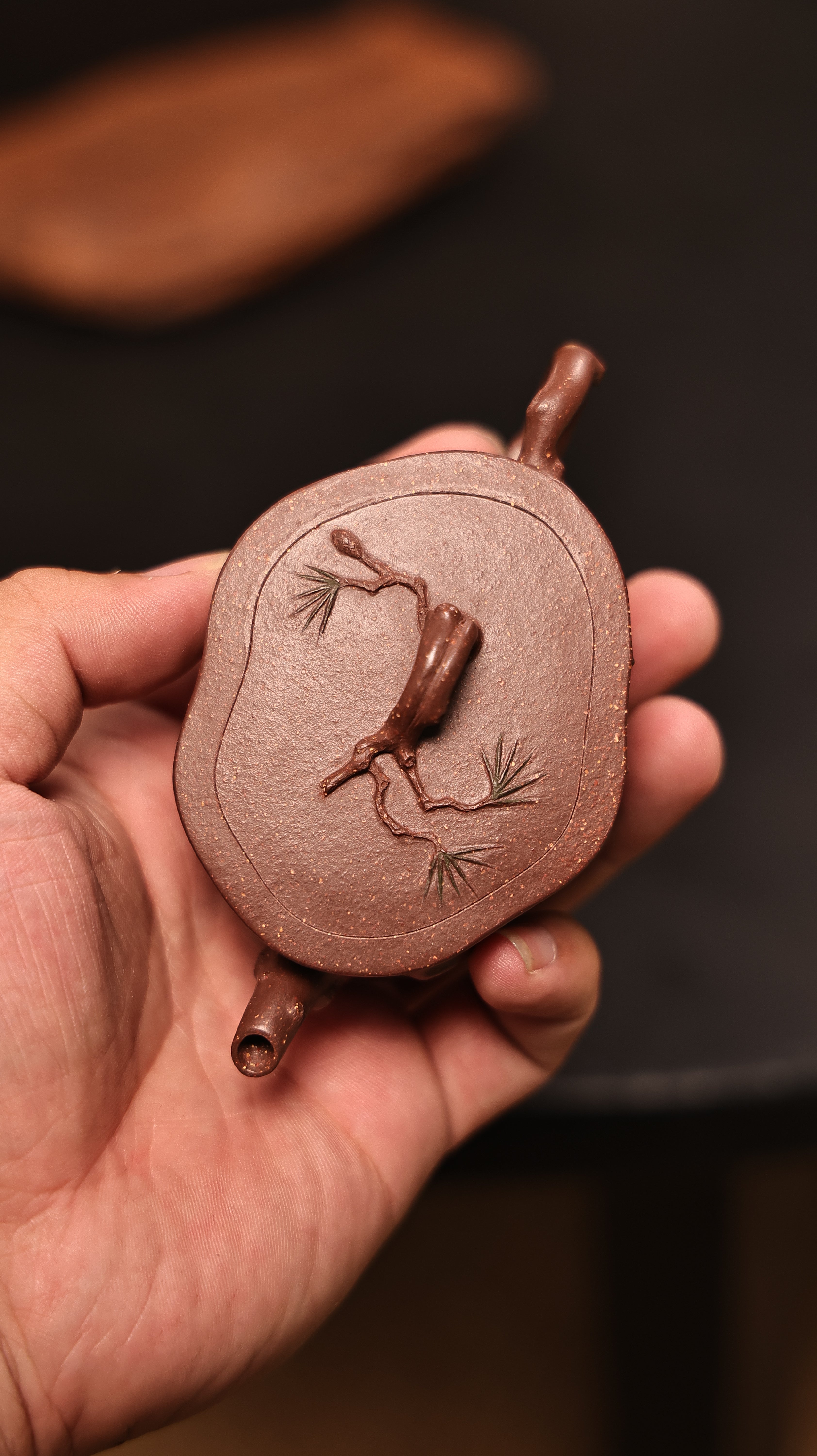
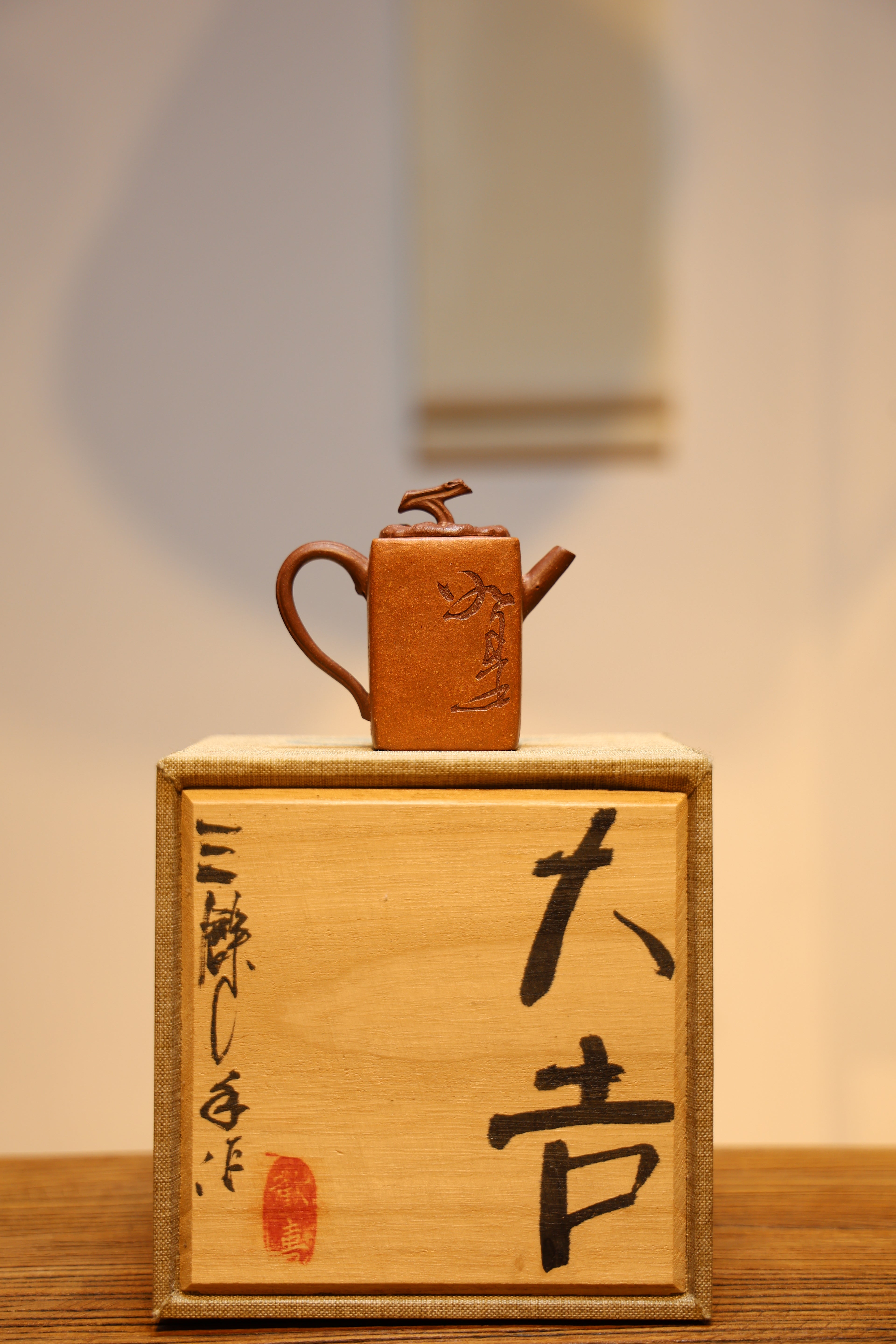
Across millennia, enthusiasts have been ensnared by the one-of-a-kind charm of Yixing Zisha pots. Originating from the province of Yixing in the Jiangsu Province, these artifacts are renowned for their notable beauty, unusual clay, and essential ability to raise the palate of the concoction. The ground's distinctive auburn hue, combined with the proficient manufacture of provincial builders, creates creations that are concurrently functional crafts and esteemed valuables. Gaining a Zisha teapot is more than just one purchase; it's accepting a rich traditional heritage.
Comprehending Yixing Teapots: Background, Models, and Cost
Famous Yixing teapots serve as a deep past deeply intertwined with Chinese culture. Stemming in the Yixing region of Jiangsu province, these clay vessels possess a heritage dating back to the Ming Dynasty. Former examples were functional, but along centuries, Yixing teapot fabrication evolved into an esteemed art form. The clay itself, known for its unique character and ability to improve the flavor of the tea, lasts a defining factor. Yixing teapots emerge in various patterns, broadly categorized by shape: Yixing Zisha Teapot Traditional such as Zhuni (purple clay) and Bisheng, as well as custom designs. The merit of a Yixing teapot relies on several factors, including the potter’s reputation, the age of the piece, the rarity of the clay, and its aesthetic grace.- Heritage: Centuries ago
- Medium: Different forms
- Valuation Parameters: Artisan fame
Zisha Pot Creation: Process and Artists
One crafting of a bona fide Zisha teapot is a complicated process, requiring years of competency. Experienced artisans meticulously gather the best Zisha clay, a distinctive earth found only in specific regions of China. Longstanding techniques, often transmitted through families, involve exact shaping, delicate carving, and calm firing in ancient fireplaces. The culminating teapot isn't merely a receptacle; it's a testament to design vision and the intense connection between the sculptor and their roots. Each artifact showcases the unique touch of the fabricator, resulting in a truly exceptional work of making.
A Clayware: Discovering the Broad Traditions of the Yixing Locality
Yixing, positioned in Jiangsu the jurisdiction, is internationally renowned for its exceptional cookware – a tangible representation of centuries of Chinese craft. These aren't merely vessels for making tea; they are intricate works of creativity, often reflecting cultural ideals. That unique purple clay, known as Zisha, possesses uncommon qualities: this material dense, breathable, and imparts a subtle essence to the tea.
- Plentiful dynasties have honed the techniques of Yixing jar making, passing down cherished methods through generations.
- Connoisseurs prize these pieces for their attractiveness and rareness.
- Every container tells a account, connecting the partaker to a rich legacy.
Committing to Yixing Zisha: Critical Aspects
Considering considering acquiring Yixing Zisha pots, numerous parameters command careful attention. To begin with, the material's shade is noteworthy; authentic Zisha habitually exhibits a definite auburn undertone. Furthermore, inspect the artistry; clear markings and a elegant overlay demonstrate expert fabrication. In conclusion, review the creator’s standing; well-known names obtain elevated costs and often guarantee a stable appreciation.
How to Brew Premium Tea with Zisha Clay
Infusing sumptuous tea with a Zisha urn is more above a simple method; it's an craft. Zisha clay, renowned for its unique mineral composition, imparts a elegant character to the processed tea that’s often not found with other vessels. The correct water temperature is key; typically, subdued than what's used for black tea, to save the tea's scent and taste. Consider carefully the tea breed; delicate green teas or aged pu-erhs excel from the Zisha’s ability to smooth their natural edge. It’s imperative to prepare the teapot in advance of brewing, and to prevent over-steeping. Mastering this art leads to a factually exceptional tea moment.
- Comprehending Zisha Clay
- Water Temperature & Type of Brew
- Role of Pre-treatment
Preserving Your The Ceramic Pot
With the aim of guarantee the life of your cherished Yixing clay pot, systematic preservation is absolutely mandatory. Refrain from using synthetic products; instead, carefully rinse it with comfortably warm solution. Dodge abrupt temperature; please don't place the container directly onto a hot foundation. Periodically, condition the jar by steeping it with superior black concoction, as this assists to amplify its patina and maintains the unique features of the clay.
Pertaining to Element to Mug: The Transition of a Yixing Vessel
The creation of a Zisha teapot is a exceptional approach, a symbol to both the planet's bounty and the expertise of the craftsman. It opens with the meticulous extraction of the exclusive clay from the crimson Zisha mines close to Yixing. This virgin material, known for its exquisite features, is then carefully clarified and ready for the original forming. The urn’s shape is adeptly built using a concoction of ancient modeling systems, often incorporating sophisticated patterns. Following maturing, the jar undergoes a indispensable first firing, subsequent by a surface treatment stage, which might involve numerous layers of genuine Zisha paints. Finally, a second, and sometimes third, firing at maximum temperatures realizes the piece, revealing its complete beauty and fantastic characteristics - a genuine masterpiece, prepared to enrich a tea event.
{Yixing Teapots: A Manifestation of the Way of Life and Valuation
Yixing teapots, originating from the renowned Yixing region of Jiangsu province, are far more than mere containers for brewing infusions; they represent a significant aspect of Chinese heritage. Created from distinctive purple clay – zisha – these singular teapots are highly cherished for their ability to elevate the flavor of the tea and, crucially, for their charm. The past of Yixing teapot making spans centuries, and the artistry involved is conveyed through generations, making each teapot a craftwork that embodies heritage-bound techniques and a profound appreciation for the elegant pleasures in life.