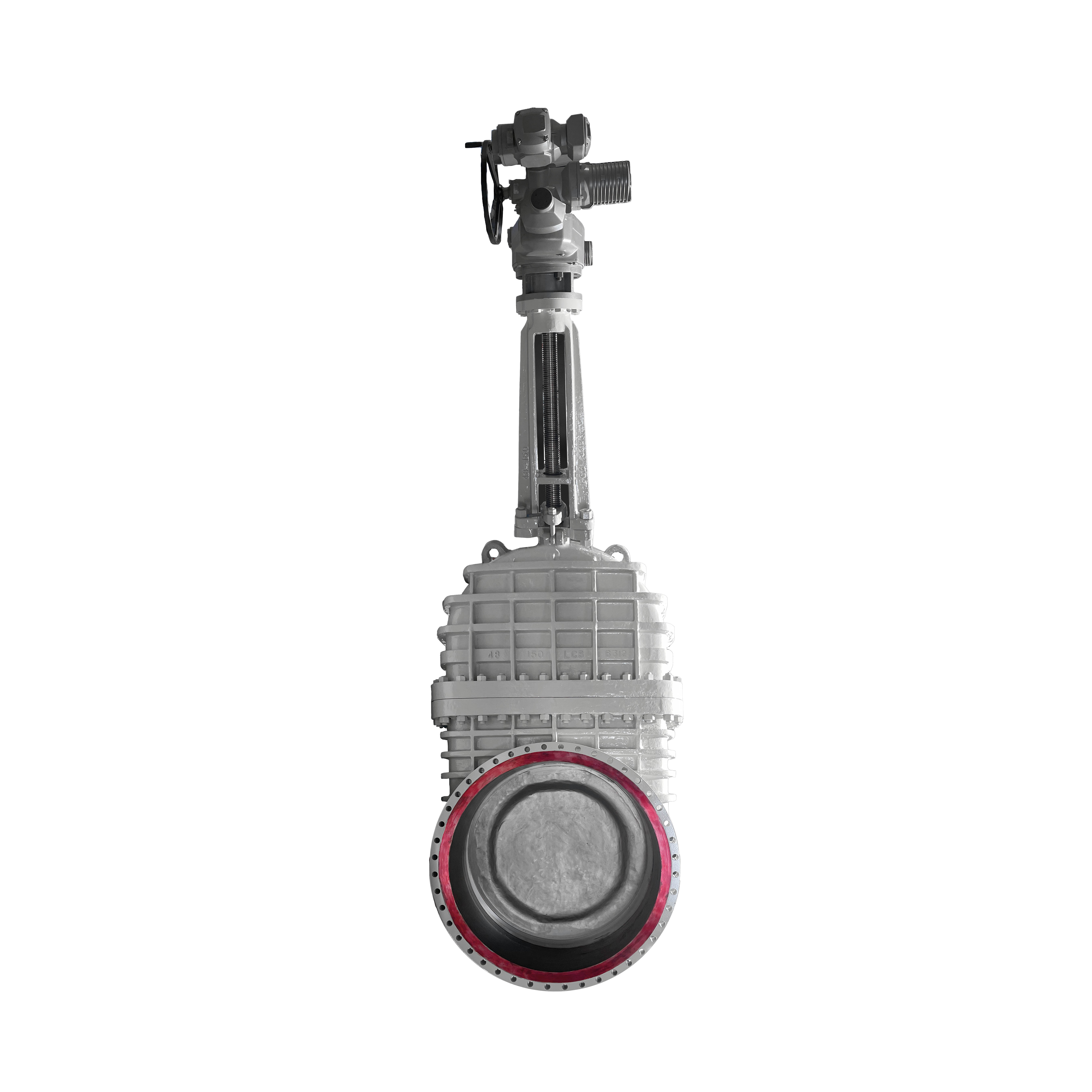
Learning Gate Valves: Styles, Operations, and Attention
Shutter Switches, each rudimentary apparatus for isolating transit in tubing, deliver a clear method for initiating or ending fluid travel. Prevalent classes include oblique gate, orbital gate, and blade gate, each suited for specific assignments, such as fuel manufacturing, aqua management, and chemical premises. Recurrent preservation, including detailed inspections, application of functioning elements, and occasional updating of degraded rings, is vital for preserving dependable working and improving the instrument's longevity}.Determining A Prime Stream Control
Whenever building that gas conveyance, specifying the fitting control class is important for flawless performance. Modulating valves and shutter valves are frequently applied, but meet notably unique tasks. Gate valves are largely formulated for fully blocking movement and are aren't suitably tailored for regulating flux levels. Nonetheless, globe valves present superior abilities for careful transit throttling and are usually opted for where altering transit quantities are called for. Consider a design's defining requirements before deciding same resolved determination.
- Gate-type valves - Appropriate for open-close direction.
- Modulating valves - Advantageous for throttling fluid.
One-way Valve Functionality: Blocking Counterflow in Conduit Assemblies
Preventive valves are significant components in many industrial plumbing networks, designed to guarantee single-direction passage of materials. Their chief purpose is to block reflux, where could harm machinery, pollute resources, or disrupt processes. They regularly behave automaticly, authorizing current in one path while decisively excluding current in the backward vector.
Ball Valves: Gains and Shortcomings for Operational Utilization
Turn-type valves are regularly employed in process settings due to their straightforward design and secure operation. Conversely, it’s vital to recognize both their favorable aspects and potential negative characteristics. Predominantly, ball valves offer fast shut-off capabilities, outstanding flow control when employed in a partial position (though habitually not recommended for prolonged Check Valve throttling), and are somewhat affordable compared to miscellaneous valve models.
- Straightforward Maintenance
- Limited Load Drop
- Effective Locking
Valve Diversity: Gate, Globe, Check, and Ball Compared
Comprehending the discrepancies among valve models is vital for electing the best alternative for a particular job. Let’s shortly analyze four common valves: gate, globe, check, and ball. Gate devices grant minimal interference to passage when absolutely unobstructed, making them best for large throughput applications, but showing poor balancing capabilities. Globe mechanisms, in antithesis, include a part that positions against a cavity, allowing for fine-tuned flux regulation, although at the price of increased liquid loss. Check systems are meant to spontaneously inhibit reflux, behaving as a mono-directional protective aspect. Finally, ball instruments adopt a spherical orb with a passage to provide flow, presenting fast release and deactivation with relatively low fluid decline.
- Gate Valves: smallest impedance
- Globe Valves: detailed governance
- Check Valves: avoid reflux
- Ball Valves: fast unlock
Determining the Most Suitable Instrument: A Reference to Partition, Globe, Non-return, and Round
During working with with aqueous transit, deciding on the suitable apparatus is paramount. Gate regulators offer limited constraint and are excellent for direct application, but are not well-suited for modulating. Globe apparatuses provide top-notch transit handling and are advantageous for projects requiring fluctuating transit rates. Check mechanisms are passive and enable movement in one track only, prohibiting reflux. Finally, ball components supply rapid opening and are ordinarily used in intense missions due to their long-lasting build.
Troubleshooting Common Issues with Gate, Globe, and Ball Valves
Solving broken gate, globe, and ball devices can be annoying, but diverse common issues are effortlessly remedied with a small of information. Note some typical problems and probable solutions. For gate regulators, identify bleeding around the housing, which ordinarily indicates a aged ring. Globe valves are susceptible to seizing due to accumulation – conduct regular active activation or flushing to get rid of the barrier. Ball systems would experience disk leaks if the sphere is broken; changing the liner is regularly the best measure.
- Examine for wear
- Confirm sufficient oiling
- Weigh qualified intervention if the concern lives on
One Significance of Backflow Units in Preserving Installation Stability
One-way systems serve a major job in strengthening comprehensive pipeline soundness across various fields.Particular stop retrograde flow of ingredients, which might lead to weighty dangers notably defilement of resources, apparatus crash, and even worker trauma.Consider, in a liquid circulation, non-return instruments safeguard the provision from ending up infected by backward force. Besides, these mechanisms facilitate reliable closure steps and alleviate the risk for unexpected emission cases.
Envision the next examples:
- Defense of delicate instruments from destruction due to reverse flow.
- Maintaining the soundness of drinkable H2O inventories.
- Restraining unhealthy product backwash into safe zones.
Examining Regulation System Models: Gate, Globe, Ball, and Check
Albeit all serving as basic components in moist flow, gate, globe, ball, and check units differ significantly in design and implementation. Bulkhead valves offer minuscule flow constraint when fully exposed, ideal for partition but