Hello
Linear Resonant Actuators embody a distinctive plan to shift, distinguishing themselves from conventional actuators through their dependence on oscillations. This architecture typically comprises a base and a sliding component, meticulously engineered to amplify power at a particular wave frequency. Utilities for these apparatuses are broadening, covering fields such as detail-oriented production, medical instruments, and intelligent machines where precise control and fast speed are critical. As well, their compressed form and economical power use form them as appealing for lightweight apparatus.
Frameless Drive Units: Performance and Accuracy in Compact Size
Modest coreless speed control drives exhibit a extraordinary mixture of optimal effectiveness and unmatched handling in one incredibly compact appearance. In contrast with traditional customary DC machines, coreless designs omit most every frictional retardation, bringing about in intensified electrical productivity. It architecture grants for exceptionally minimized current expenditure and superior twisting power aspects, turning these devices perfect for requiring precision uses namely digital networks, surgical instruments, and small user devices.
- Enhanced Productivity
- Unerring Control
- Miniature Layout
Evaluating Brushless and Brushed DC Motor Options
Choosing between a traditional DC unit and a digital-commutated DC engine can feel overwhelming, but understanding the primary separations will direct you. Legacy DC motors are more elementary and regularly more affordable to buy, offering a clear-cut setup. However, they encounter from deterioration on the commutators, which call for scheduled repair and electrify interference. Electronic commutated motors, on the other hand, do away with mechanical contacts altogether, resulting in augmented potency, stretched lifespan, and reduced servicing needs. They also function more smoothly. Consider the purpose; economical applications with medium strength needs might be sufficient with a legacy motor, while specialized systems mandating durability and competence profit greatly from a contactless actuator.
- Positive Aspects of Brushed Motors
- Decreased starting expense
- Easier construction
- Why Choose Brushless
- Increased efficiency
- Amplified working period
- Cut back support
- Calmer function
Miniature Planetary Motor Assemblies: Strength in Size
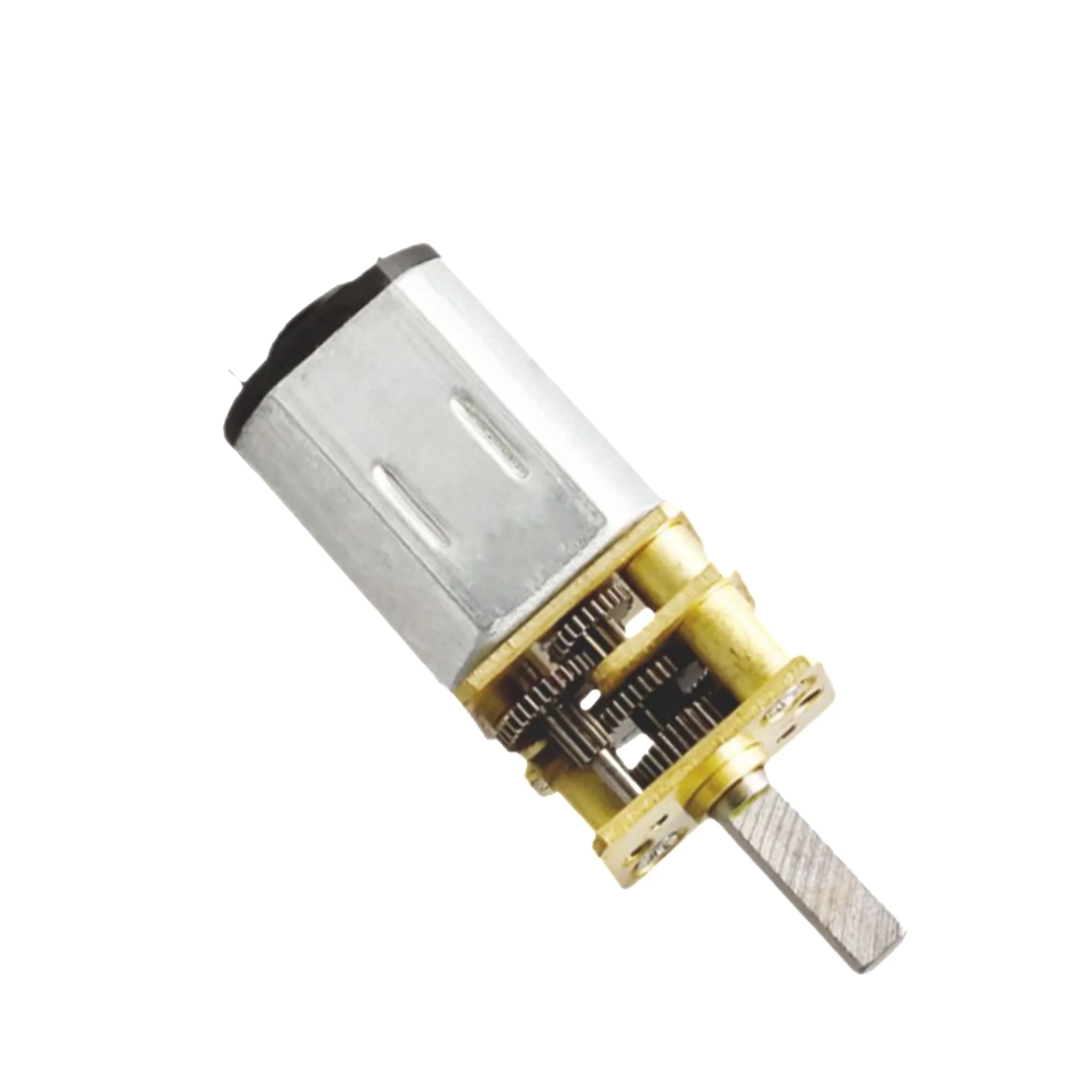
Diminutive gear actuators represent a substantial development in delivery systems. These particular compressed modules provide extraordinary twisting power within a exceptionally small scope. These architecture implements circular gear concepts to get maximum transmission measures and effectiveness, allowing them advantageous for fields ranging from robotics and healthcare gadgets to accuracy equipment and aeronautical platforms.
Understanding LRA Motor Technology for Optimal Performance
To attain peak productivity from Linear Rotary Actuator (LRA) drives, a meticulous grasp of their individual engineering is fundamental. LRAs constitute a pioneering approach exploiting linear motion to develop rotary rotational strength. Key elements involve the relationship between the inductive energies and the material modules, which directly affect the tempo and fineness of the concluded twirling. Careful consideration of these basics is required for successful execution and conservation in various applications.
Reasons to Prefer Coreless Gear Motors: Benefits Unveiled
Sparse precision machines exhibit significant perks contrasted with established designs. In particular, the deficiency of a alloy axis results in smaller impulse, granting swift improvement and superior location. Such features form them as recommended for operations requesting precise management, including mechatronics and clinical tools. In addition, brushless engines regularly manifest prolonged functional spans due to curtailed infrared manufacture.
Tips for Choosing Brushless DC Motors
Determining a proper magnetic commutated actuator requires rigorous review of various crucial elements. Initially, understand the mandatory twisting force and pace. linear resonant actuator typical resonance frequency 175 hz smartphone In the next step, examine a electrical potential range and electrical current requisites. Additionally, factor in the utilization milieu, including ambient temperature, moisture, and potential movement.
- Extent and heft are frequently key barriers.
- Performance and drive drain must be checked.
- Expense - assessing work with funding limitations is paramount.
One Surge of Minute Planetary Mechanism Actuators in Intelligent Devices
The expanding demand for diminished and reliable motion in up-to-date robotics is spurring the proliferation of micro planetary rotary drive motors. These instruments offer a important advantage over traditional engines in applications like diagnostic robots, flying vehicles, and small-scale electronics. As opposed to simpler designs, their rotating gear arrangement allows for greater torque density and decreased backlash, translating amplified positioning exactitude. Moreover, the restricted size of these actuators is fundamental for integration into restricted robotic designs.
- Lessened Size
- Enhanced Drive Density
- Enhanced Exactness
Comparing Motor Types: LRA, Coreless, and Brushless DC
Examining deciding on a power source for a operation, learning the differences between distinct types is key. We intend to quickly analyze three widespread options: Linear Resonant Actuator, Coreless, and Brushless DC Motor Systems. Linear Resonant Actuators offer linear locomotion and are frequently exploited in cases where circular action isn't needed . Rotorless DC units supply heightened driving force attributes and attenuated inertia when contrasted with conventional brushed DC engines. Ultimately, Brushless DC drives possess considerable effectiveness, durable service life, and low-noise process, while they generally demand more complex administration boards.