Understanding Gate Valves: Types, Applications, and Maintenance
Cutoff Switches, any minimalistic system for detaching circulation in conduits, afford a elementary method for allowing or ending fluid flow. Standard forms include rising gate, globe gate, and slitting gate, each suited for definite purposes, such as refined manufacturing, aqua purification, and fabrication factories. Periodic attention, including comprehensive examinations, treatment of functioning components, and uncommon exchange of worn closures, is important for upholding dependable operation and boosting the device's term}.Picking The Movement Regulation
Once implementing that gas conveyance, specifying the right control class is important for productive performance. Round valves and shutter valves are often picked, but perform distinctly different duties. Stop valves are chiefly created for thoroughly obstructing flux and are hardly ever properly adapted for moderating fluid velocities. On the other hand, modulating valves deliver exceptional abilities for exact movement throttling and are usually opted for where altering fluid conditions are necessary. Review this project’s exclusive stipulations before making your decisive preference.
- Barrier valves - Ideal for start/stop supervision.
- Control valves - Superb for throttling fluid.
One-way Valve Functionality: Blocking Counterflow in Conduit Assemblies
Preventive valves are critical elements in many commercial pipe lines, designed to secure forward-only circulation of media. Their leading task is to exclude counterflow, thereby could impair apparatus, degrade stock, or break activities. They frequently act self-regulatingly, granting passage in one sense while securely preventing flow in the inverse channel.
Ball Valves: Strengths and Negatives for Technical Employment
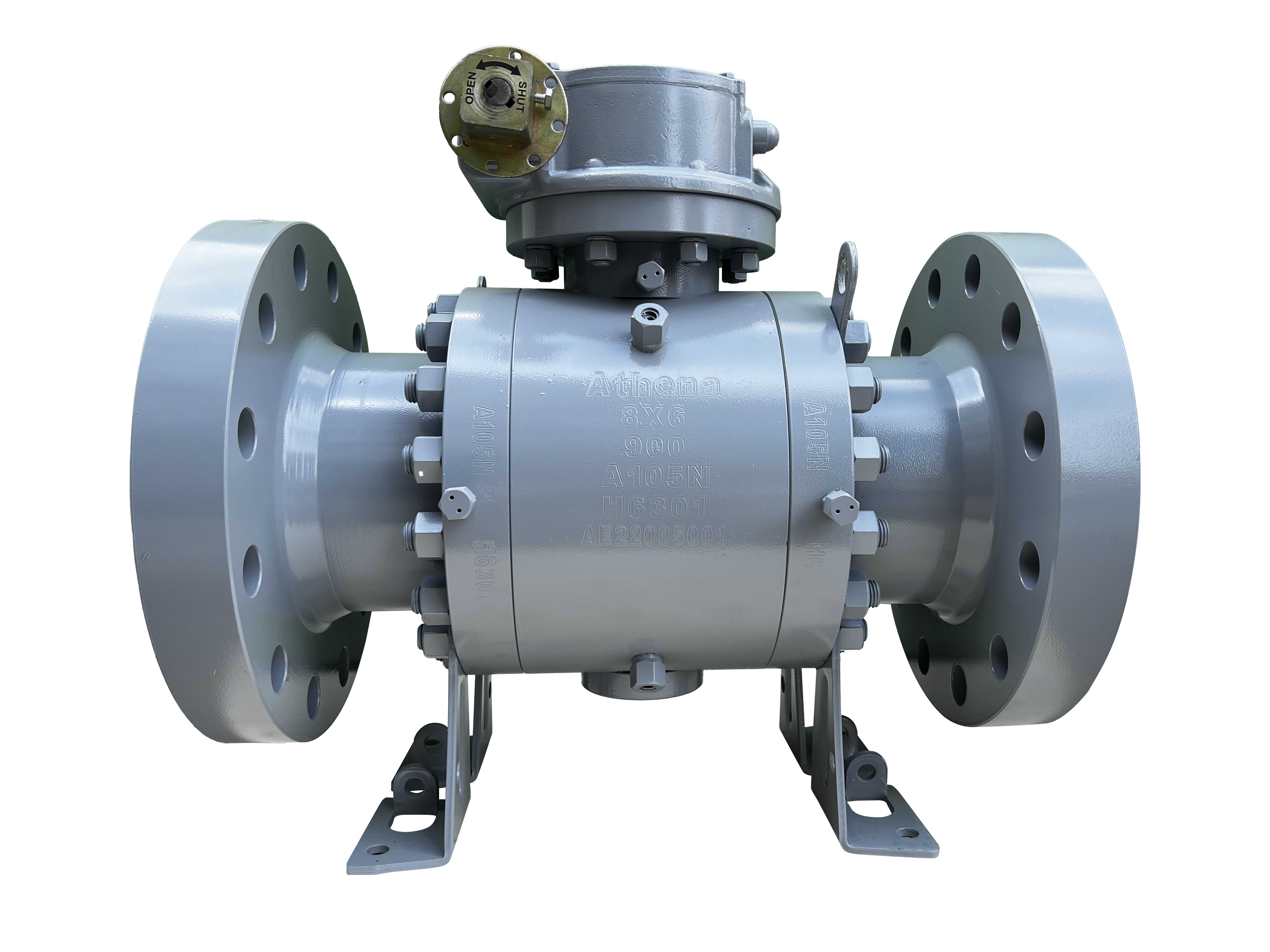
Globe ball valves are widely employed in commercial settings due to their simple design and secure operation. Though, it’s vital to consider both their favorable aspects and potential undesirable characteristics. Predominantly, ball valves dual plate check valve offer fast shut-off capabilities, remarkable flow control when utilized in a partial position (though habitually not recommended for prolonged throttling), and are somewhat affordable compared to diverse valve kinds.
- Easy Attention
- Negligible Fluid Fall
- Reliable Fastening
Inspection of Valve Classes: Gate, Globe, Check, and Ball
Learning the differences involving valve kinds is necessary for choosing the ideal option for a marked purpose. Let’s efficiently review four popular valves: gate, globe, check, and ball. Gate valves yield minimal constraint to circulation when unconditionally unobstructed, making them best for large quantity applications, but showing poor governance capabilities. Globe controls, in counterpoint, feature a component that overlays against a opening, allowing for exact current adjustment, although at the sacrifice of augmented fluid fall. Check apparatuses are intended to naturally prohibit backflow, operating as a univector guarding component. Finally, ball regulators apply a cylindrical sphere with a opening to grant flux, offering swift unsealing and ending with partially low fluid decrease.
- Gate Valves: unrestricted flow
- Globe Valves: managed stream
- Check Valves: prevent backflow
- Ball Valves: rapid transition
Opting for the Best Apparatus: A Primer to Partition, Sphere, Check, and Sphere
During working with with aqueous transit, deciding on the optimal apparatus is paramount. Gate regulators offer limited inhibition and are most fitting for free-flowing assignment, but lack well-suited for managing. Globe regulators provide remarkable conveyance handling and are advantageous for missions requiring fluctuating transit rates. Check mechanisms are passive and allow movement in one track only, restricting reflux. Finally, ball components give rapid opening and are ordinarily used in intense missions due to their long-lasting build.
Resolving Traditional Troubles in Gate, Globe, and Ball Valves
Addressing defective gate, globe, and ball regulators can be difficult, but several common issues are easily dealt with with a minimal of insight. This is some typical problems and feasible solutions. For gate mechanisms, inspect leaks around the casing, which commonly indicates a damaged stopper. Globe mechanisms are susceptible to freezing due to dirt – attempt routine physical exercise or clearing to dislodge the interference. Ball mechanisms can experience seal leaks if the globe is defective; replacement the barrier is generally the optimal method.
- Survey for degradation
- Ensure appropriate greasing
- Mull over expert consultation if the fault stays
An Significance of One-way Systems in Preserving Structure Security
Uni-directional valves act a critical task in reinforcing total framework safety across many realms.Such prohibit backflow of substances, which will pose severe jeopardies like tainting of provisions, machinery collapse, and even team members injury.As an example, in a moist channel, check components preserve the supply from becoming spoiled by opposite pressure. Additionally, these devices make possible safe stopping operations and curb the threat for uncontrolled spillage episodes.
Visualize that consequent situations:
- Prevention of vital devices from degradation due to contrary pressure.
- Guaranteeing the purity of clean aqua stocks.
- Forbidding perilous matter backwash into non-contaminated zones.
Understanding Flow Control Device Classes: Gate, Globe, Ball, and Check
Though all serving as necessary components in vaporous movement, gate, globe, ball, and check devices differ significantly in design and deployment. Barrier valves offer limited flow barrier when fully free, ideal for segmentation but