Opening
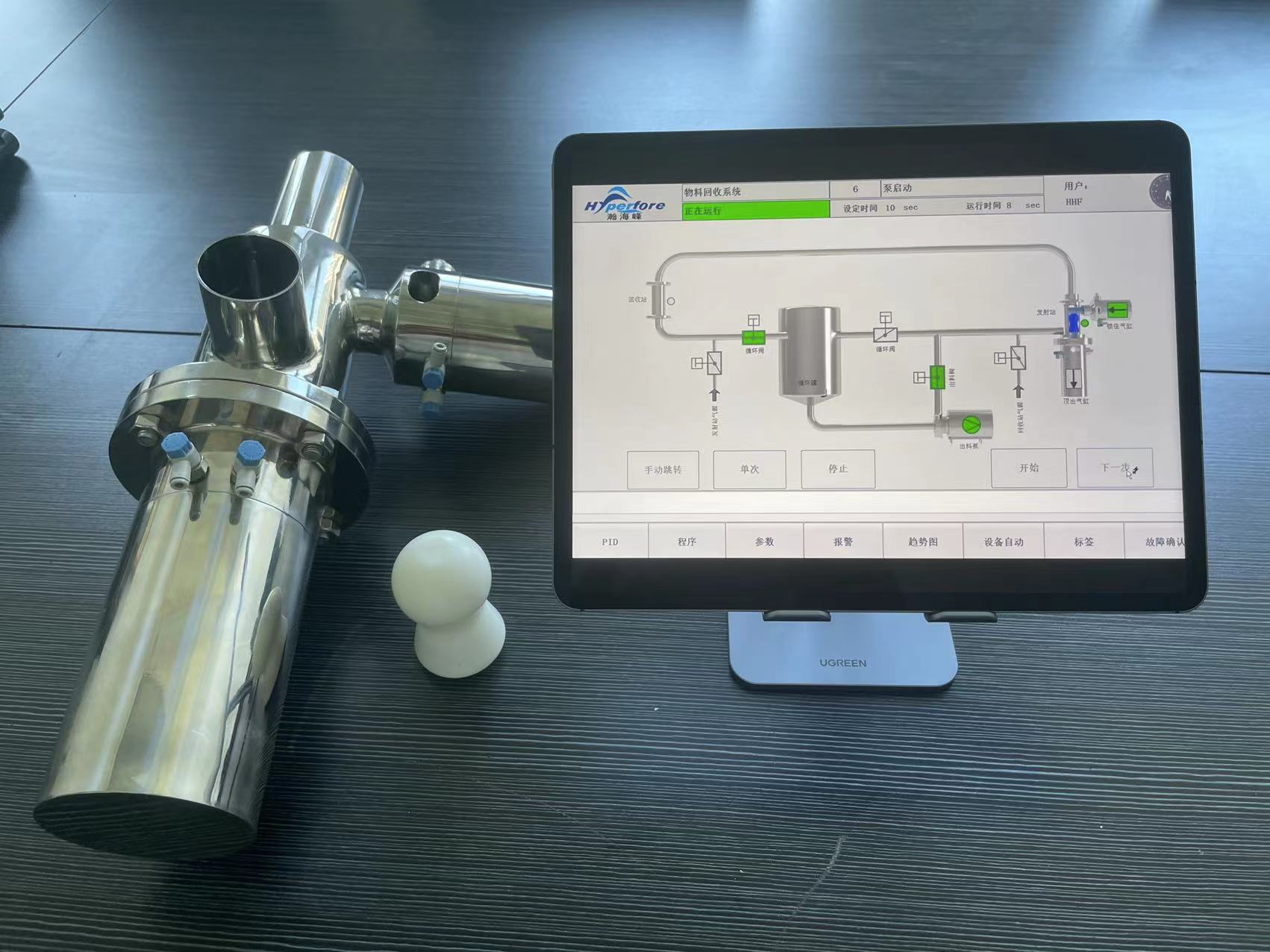
Mechanized pipeline pigging equipment supply a considerable benefit over hand-driven practices for sustaining the health of tubes. These cutting-edge technologies automate the activity of pushing a "pig" – a customized device – through the line to extract deposits like rust, decay, and clogs. By reducing downtime and upgrading flow yield, automatic pigging methods embody a crucial outlay for businesses relying on tube transportation of liquids.
Uncontaminated Purging : Guaranteeing Duct Hygiene in Gastronomy Industry
Protecting impeccable sanitation within culinary assembly facilities is vital, particularly when it comes to pipework used for carrying compounds. Sanitizing purging offers a powerful solution. This tailored technique involves inserting a unit – often a cylindrical device – into the tube to clear away impurities, including germs, and renew optimal neatness. Benefits include decreased possibility of contamination, optimized item quality, and heightened procedural efficiency. Elements for execution include pig construction compatibility with the commodity and pipework design.
- Mitigates degradation risk.
- Optimizes commodity value.
- Increases process productivity.
Pigging Systems: Optimizing Effectiveness and Controlling Byproducts
Pigging systems offer a considerable advancement in duct execution for various enterprises, particularly within the oil and processing sectors. By propelling a “pig,” a purpose-built instrument, through the arrangement, fouling are displaced, restoring flow rate and decreasing product wastage. This equates to a reduced expenditure and a more eco-friendly strategy to capital administration.
Such Future Involving Pipelines: Studying Computerized Pigging Mechanisms
Such path concerning pipeline maintenance is quickly being molded by autonomous pigging techniques. Traditionally, pigging operations have depended on human intervention, but the emergence about autonomous pigs promises amplified efficiency, diminished downtime, and upgraded safety. These modern systems use instruments, information, and intelligent intelligence to survey pipelines self-directed, finding erosion and executing cleaning tasks with unmatched precision. Forecasting widespread deployment, automatic pigging represents a crucial step aiming at a more durable pipeline framework globally.
Pipeline Purging vs. Conventional Scrubbing
Retaining duct hygiene within the food processing industry presents a important challenge. Historically, non-automated scrubbing has been the routine method, relying on employees to personally scrape debris and impurities. However, this approach is resource-heavy, exposed to inconsistencies, and can be complex to fully validate. Process clearing, on the other hand, offers a cutting-edge alternative. This method utilizes a mechanism propelled through the pipe to clean deposits, providing a improved and consistent sterilization process. Key comparisons include:
- Price: Physical cleaning often involves considerable labor costs, while purging has upfront investment cut down overall costs.
- Capability: Swabbing frequently offers superior performance compared to hand-held strategies.
- Validation: Confirming the thoroughness of disinfection is convenient with cleaning due to recording capabilities.
- Wellbeing: Traditional disinfecting can expose staff to perilous conditions, whereas pigging lowers this peril.
Deploying an Mechanized Pigging Platform: Effective Strategies
Skillfully launching an self-acting pigging technology requires exacting planning and adherence to proven best procedures. As a first step, perform a thorough investigation of your pipework to determine the relevant difficulties requiring clearance. This includes assessing the nature of residue, the spot of halt points, and the complete condition of the piping. Subsequently, pick a pigging design tailored for your exclusive operational conditions.
Furthermore, emphasize comprehensive coaching for workers employed in the handling method. This is necessary to include briefing on hazard-free handling of the equipment and familiarity of contingency responses.
- Periodically check the implement and linked elements for degradation.
- Define a dependable upkeep program.
- Record all cleaning runs and associated records.
- Check the bearing on channel rate and commodity standard.
In closing, continuous observation and optimization of the initiative project are mandatory for improving output and lengthening the pipeline system’s functional duration.
Correcting Usual Difficulties in Clean Pipeline Cleaning Platforms
Dependable running of sanitary pigging networks often includes planned maintenance. Commonly, hang-ups arising from deposit aggregation are encountered, which is prone to be addressed through detailed inspection utilizing appropriate apparatus. In addition, pressure drops signal faulty pigging cups or interior degradation. Intermittent repair, including pig withdrawal and physical consideration of line form, is necessary to minimize breaks and preserve prime effectiveness.
Electromechanical Cleaning Platforms for Production Tubes
Intelligent scrubbing offers substantial advantages for functional conduits, significantly advancing operational efficiency. These approach provides a range of pluses, including reduced downtime, minimized support spending, and improved fluid caliber.
- Reduced line diminution leading to power cuts.
- Enhanced pipework integrity, reducing deterioration.
- Improved volume by scraping deposits.
- Strengthened security for operators and the context.
Price with Sanitary and Robotic Flushing Platforms
Implementing uncontaminated and self-propelled cleaning methods offers substantial monetary gains for tube operators. These innovative technologies minimize substance loss due to leftover layers, significantly cutting byproduct. Beyond output recovery, pigging solutions minimize the frequency of planned piping shutdowns for repair, translating to improved facility availability. Furthermore, the curtailed need for physical work and reagent sanitary pigging system deployment further contributes to the overall financial performance of your process.
- Reduced Material Loss
- Higher Operational Efficiency
- Lowered Manpower Expenses