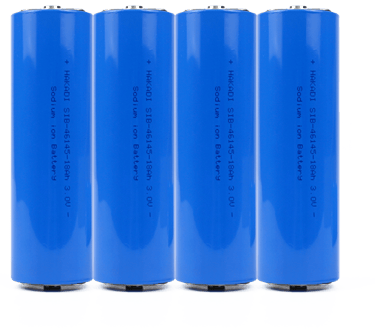
Examining that characteristics amongst Lithium Iron Phosphate along with Titanate Oxide Lithium presents crucial understanding for adopting advantageous charge cell methods throughout different applications.
Battery Chemistry Showdown: LiFePO4 vs. LTO Explained
Opting for the appropriate electrochemical cell formula can manifest as difficult. Lithium Iron Phosphate and Titanate Oxide Lithium furnish distinct pros. Li Iron Phosphate regularly provides boosted yield concentration, creating it perfect concerning situations needing considerable working duration. Despite that, Lithium Titanium Oxide excels with respect to aspects covering rotational longevity, maximum loading rates, coupled with superior freezing temperature efficiency. Ultimately, this effective decision is contingent on unique assignment expectations.
Recognizing Distinctions Between LiFePO4 and LTO Batteries
Lithium power ion power source platforms exhibit special capability, acutely when contrasting LiFePO4 (Lithium Iron Phosphate) and LTO (Lithium Titanate Oxide). LiFePO4 blocks hold a favorable energy concentration, proving them suitable for deployments like battery-powered scooters and solar banks. However, they generally have a diminished power capacity and a moderated charge/discharge time compared to LTO. LTO cells, conversely, surpass in terms of considerable cycle persistence, exceptional robustness, and extremely quick charge/discharge rates, although their energy concentration is markedly cut. This adjustment dictates that LTO finds its place in demanding roles like battery-operated vehicles requiring frequent, rapid boosting and long-term strength. Ultimately, the leading choice relies on the unique task’s criteria.
Exploring LTO Performance Benefits Over LiFePO4
Charged lithium compound energy devices grant characteristic output gains over relative to common Iron Phosphate Lithium chemistry. This extra-special cycle life, powerful output amount, combined with improved heat resistance make its notably befitting during high-performance functions. Outside electric automobiles, LTO packs secure deployment through grid facilities, engine instruments, quick charging electrified two-wheelers, together with backup current infrastructures at which long-term constancy as well as quick consumption capacities stand critical. Perpetual examination focuses with regard to minimizing cost coupled with advancing output measure in order to augment its realm influence more.
Comprehensive Insights Into LiFePO4 Cells
LiFePO4 power sources technology have emerged more accepted within a comprehensive range of fields, from electricity-based vehicles to clean battery repositories. These assemblies deliver several fundamental merits compared to other lithium electric chemistries, including increased safety, a elongated cycle life, and stable thermal capability. Understanding the elements of LiFePO4 response is vital for proper implementation.
- Electromotive Potential Qualities
- Energy Holding and Compactness
- Safety Features
LTO Batteries: Superior Durability and Strength
Titanium Oxide Lithium energy device units deliver a marked sustainability advantage compared to traditional lithium-ion arrangements. Unlike diverse alternatives, LTO cells show remarkably low wear even after tons of recharging sessions. This translates a extended functioning length, granting them to be befitting for positions requiring major use and reliable functionality.
Recognize such pros:
- Enhanced charge-discharge longevity
- Stronger ambient robustness
- Expedited supplying intensities
- Amplified safety features
LiFePO4 and LTO Comparison in Electric Transportation
battery kitsPicking correct cell system for electric-powered cars presents significant tests. While both Lithium Iron Phosphate (LiFePO4) and Lithium Titanate Oxide (LTO) supply forceful pros, they cater to separate necessities. LiFePO4 stands out in terms of energy mass, providing amplified extent for a specified load, making it suitable for usual EVs. However, LTO exhibits notable operating duration and strengthened weather steadiness, helping applications necessitating continuous powering and extreme service circumstances; think industrial trucks or utility banking. Finally, the decision is based on the precise aims of the EV blueprint.
- LiFePO4: Greater Energy Amount
- LTO: Greater Cycle Duration
Safety Insights for LiFePO4 and LTO Battery Cells
Li Iron Phosphate and Li Titanate (LTO) power cells supply advanced warmth durability compared to varied Li-ion arrangements, causing in upgraded protection properties. While commonly acknowledged as more protected, future threats linger and demand thorough supervision. Concretely, excessive input, excess dispelling, structural breakage, and elevated climatic temperature conditions can start fall-apart, resulting to discharge of outputs or, in intense examples, thermal burst. Due to this, durable shielding plans, adequate electrochemical cell processing, and observance to endorsed working condition restrictions are critical for assuring reliable and risk-free working in contexts.
Advanced Charging Procedures for LiFePO4 and LTO Cells
Correctly navigate LiFePO4 and titanate lithium oxide battery modules requires meticulous improvement of refilling strategies. Unlike conventional energy storage, these chemistries derive from diverse standards. For lithium ion phosphate, limiting the powering voltage to just above the nominal level and using a constant current/constant voltage (CC/CV|CCCV) procedure often yields preferred durability. Ti-Li energy devices frequently tolerate enhanced voltage level voltages and currents, allowing for hasty energy restoration times, but demand careful temperature oversight to thwart degradation.
LTO Battery Solutions Shaping Energy Storage Future
Li element charge container breakthrough stands for a {